Smart Cities: Balancing Urban Development and Environmental Sustainability
Introduction
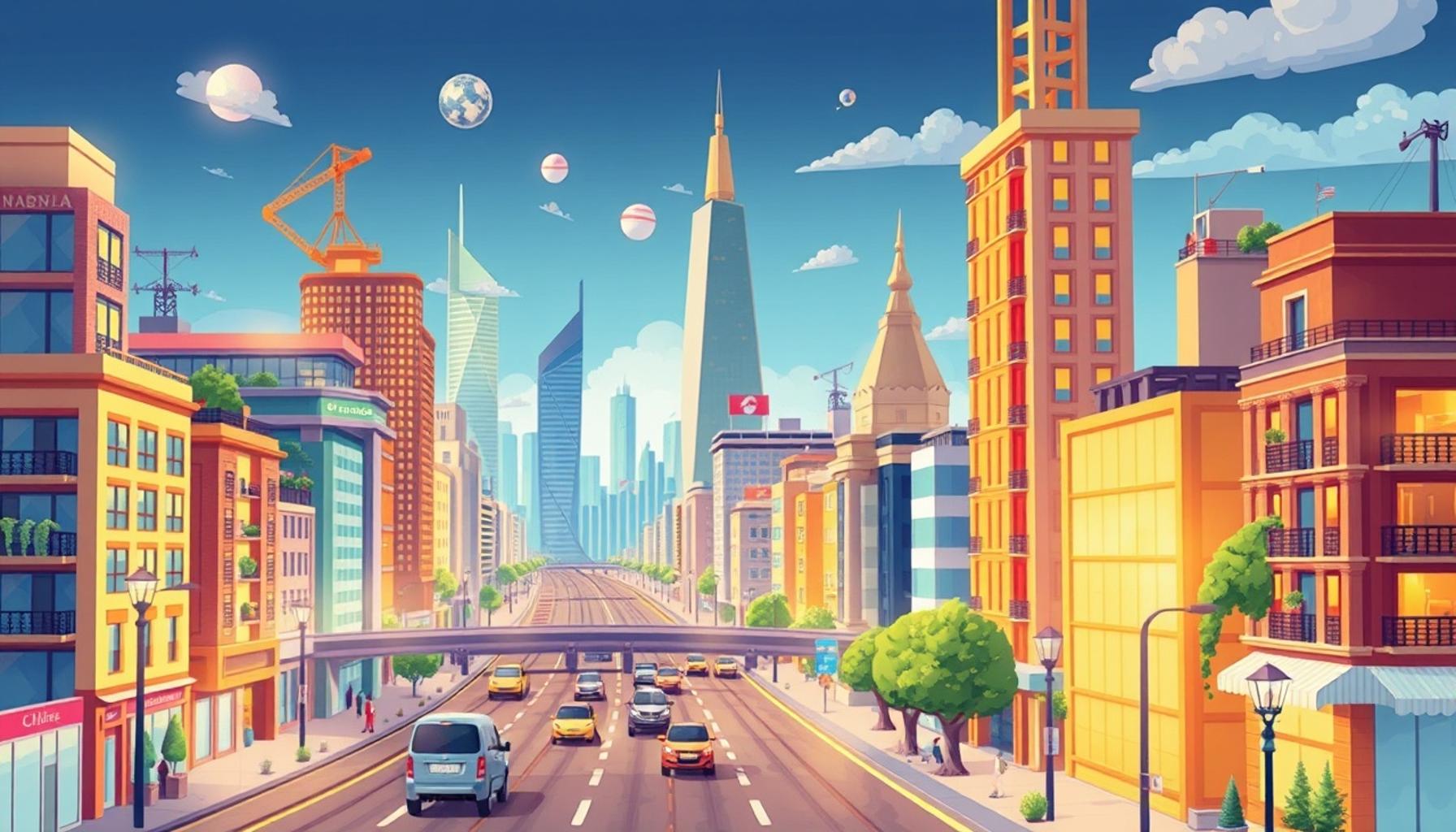
The rapid growth of urban areas presents both opportunities and challenges. As cities expand, they face the pressing need to accommodate more residents while ensuring environmental sustainability. This balance is vital for enhancing the quality of life without compromising the planet’s health.
One of the most promising ways cities are tackling these challenges is through the development of smart cities, an innovative concept integrating technology into urban planning and operations. Smart cities leverage cutting-edge innovations to improve the quality of life for residents while providing solutions to environmental issues. For instance, integrated transport systems represent a significant advancement; by coordinating various modes of transportation, cities can effectively reduce congestion and pollution. The city of Los Angeles, with its real-time traffic management systems, is a prime example, employing smart technologies to manage traffic flow and improve commuter experience.
Another key feature of smart cities is the implementation of smart grids. These advanced electrical systems optimize energy consumption by allowing two-way communication between electricity suppliers and consumers. They promote renewable energy resources, making cities less reliant on fossil fuels. In cities like San Diego, solar energy usage has exploded, significantly lowering greenhouse gas emissions and fostering a commitment to sustainability in energy consumption.
Moreover, establishing green spaces within urban areas is critical. These parks and natural areas not only improve air quality but also serve as vital recreational spaces for communities. For example, New York City’s Central Park provides residents with a necessary escape from urban life, promoting mental health and well-being in an often hectic environment.
To successfully implement these features, collaboration among stakeholders—including governments, businesses, and the community—is essential. By working together, these groups aim to create urban environments that are:
- Efficient in resource use and energy consumption, paving the way for a sustainable future.
- Resilient to environmental changes and challenges, adapting to climate change and natural disasters.
- Inclusive, ensuring that all residents have equitable access to services, resources, and opportunities.
In this article, we will explore how cities can harness smart initiatives to foster sustainable urban development. It is crucial to understand this balance to shape our cities now and for the benefit of future generations. Emphasizing clear communication and collaboration among all stakeholders can make a significant difference in how cities evolve. By embracing technology and innovative solutions, we can create urban spaces that not only thrive today but also remain sustainable and livable in the years to come.
DIVE DEEPER: Click here to learn more
Smart Infrastructure: The Cornerstone of Sustainable Cities
At the heart of smart cities lies the concept of smart infrastructure, which is essential for creating efficient, interconnected urban environments. Smart infrastructure includes a wide range of technologies designed to improve the functionality and sustainability of urban systems. This encompasses everything from transportation to waste management, all aimed at promoting a more sustainable future. For instance, smart public transportation systems use real-time data to optimize routes and improve efficiency, reducing the need for personal vehicles. Cities like Seattle have embraced these technologies, implementing bus-only lanes and advanced scheduling to decrease traffic congestion and minimize emissions.
Moreover, intelligent waste management systems play a crucial role in smart cities. By using sensors and data analytics, cities can monitor waste collection and disposal more effectively. For example, San Francisco has initiated a smart waste management program that tracks bin levels through the use of sensors, allowing for more efficient collection schedules and significantly reducing the environmental impact. This proactive approach minimizes fuel consumption and lowers carbon emissions associated with waste collection processes.
The Role of Data in Urban Planning
Data collection and analysis are fundamental to the success of smart city initiatives. By leveraging big data, urban planners can make informed decisions that reflect the needs and preferences of residents. For instance, cities can utilize data from smartphone applications to analyze traffic patterns, helping them identify congested areas and develop solutions accordingly. In cities like Chicago, data-driven approaches have led to improved road designs and increased road safety, ultimately enhancing the well-being of residents.
Environmental monitoring is another application of data in smart cities. Sensors deployed throughout urban areas can track air quality, temperature, and noise levels, providing real-time information that can guide policy decisions and public health responses. For example, cities like Los Angeles have implemented air quality monitoring networks that inform residents of pollution levels and advise on outdoor activities, ultimately improving public health outcomes.
Community Engagement and Equity
A successful smart city should not only focus on technological advancements but also prioritize community engagement and inclusivity. Ensuring that all residents have access to and can benefit from smart city initiatives is crucial for creating an equitable urban environment. This includes making technology accessible to underserved communities, providing educational resources, and fostering participation in decision-making processes. For example, cities like New York have initiated public forums and community workshops to actively solicit input from residents, ensuring that diverse voices shape the future of urban development.
In summary, smart infrastructure, data utilization, and community engagement are vital components in balancing urban development and environmental sustainability. By focusing on these areas, cities can create smart initiatives that enhance the quality of life, promote economic growth, and protect the environment for future generations. The ongoing dialogue among stakeholders is essential to ensure that all perspectives are considered, ultimately leading to more sustainable urban living.
DON’T MISS: Click here for essential budgeting tips
Innovative Energy Solutions for Urban Environments
Energy management is another significant pillar of smart cities, impacting both urban infrastructure and environmental sustainability. Innovative energy solutions can reduce carbon footprints while enhancing the resilience of urban areas. For instance, cities are increasingly adopting renewable energy sources such as solar and wind power. The integration of solar panels into buildings not only provides clean energy but also promotes energy independence and reduces reliance on fossil fuels. Cities like San Diego have set ambitious goals to transition to 100% renewable energy by 2035, demonstrating a commitment to sustainable energy practices.
Furthermore, smart grid technologies play a vital role in optimizing energy consumption. These systems utilize advanced metering infrastructure and digital communication to manage electricity distribution efficiently. In states like Texas, smart grids help balance energy loads and store excess electricity generated from renewable sources. The incorporation of energy management systems allows residents to monitor usage through real-time data, enabling them to make more informed decisions about their energy consumption.
Green Transportation Solutions
The evolution of transportation systems is critical to maintaining a smart city’s sustainable framework. As urban areas become denser, the demand for innovative transportation solutions rises. Cities are investing in electric vehicle (EV) infrastructure, such as charging stations and incentives for EV adoption. For example, the city of Los Angeles has committed to increasing the number of EV charging stations and expanding access to electric public transport, which will reduce emissions and traffic congestion in the long run.
Mobility-as-a-Service (MaaS) platforms are also gaining traction, allowing users to plan, book, and pay for multiple transportation services through a single app. By integrating public transit, ride-sharing, bike-sharing, and other alternatives, MaaS contributes to a more connected and efficient urban transport network. Cities like Minneapolis are piloting these platforms to simplify commuting, enhance public transport usage, and ultimately lower the carbon footprint associated with urban travel.
Green Spaces and Urban Biodiversity
Incorporating green spaces into urban design is crucial for enhancing livability and supporting biodiversity in smart cities. Parks, green roofs, and urban gardens not only improve aesthetics but also contribute significantly to environmental sustainability. They help mitigate the urban heat island effect, improve air quality, and provide habitats for wildlife. New York City has made efforts to increase green spaces by transforming abandoned lots and rooftops into community gardens and parks, fostering a sense of community while promoting eco-friendliness.
- Community Gardens: Providing residents with an opportunity to grow their food while enhancing local biodiversity.
- Urban Forests: Planting trees strategically to improve air quality, provide shade, and enhance urban aesthetics.
- Parks and Greenways: Offering recreational spaces that encourage physical activity and improve community well-being.
An essential aspect of urban planning is figuring out ways to preserve existing natural environments while developing infrastructure. Wildlife corridors, which connect fragmented habitats and facilitate safe animal movement, are gaining attention in many cities. For instance, Seattle has initiated projects to create green bridges and wildlife pathways that allow for the safe passage of wildlife while accommodating urban expansion.
As cities explore innovative energy solutions, transportation alternatives, and the integration of green spaces, they will enhance their ability to balance urban development with environmental sustainability. Embracing these strategies is not just about improving city life but also fosters a pathway toward a healthier planet for future generations.
DIVE DEEPER: Click here to understand how your credit report shapes loan outcomes
Conclusion
In summary, the concept of smart cities represents an essential framework for addressing the dual challenges of urban development and environmental sustainability. By integrating innovative energy solutions, enhancing green transportation, and promoting urban biodiversity, cities can not only improve the quality of life for their residents but also contribute to the health of our planet. The commitment of cities like San Diego and Los Angeles to renewable energy and electric vehicles exemplifies the immense potential for reducing carbon footprints and fostering cleaner urban environments.
Moreover, the emphasis on creating accessible green spaces plays a vital role in enhancing community well-being and maintaining biodiversity within urban settings. Initiatives such as community gardens and urban forests provide both ecological benefits and social cohesion, reminding us that sustainable practices can bring communities together. As urban planners and policymakers continue to employ smart technologies and best practices, it is crucial to balance ambitious development goals with a deep respect for existing ecosystems.
Ultimately, the success of smart cities lies in collaboration among governments, private sectors, and communities. By harnessing collective innovation and prioritizing sustainable practices, we can shape resilient urban environments that thrive for generations to come. The path to achieving this balance is not just a necessity; it is an opportunity to forge a brighter future, where urban development and environmental stewardship go hand in hand.

Linda Carter
Linda Carter is a writer and expert known for producing clear, engaging, and easy-to-understand content. With solid experience guiding people in achieving their goals, she shares valuable insights and practical guidance. Her mission is to support readers in making informed choices and achieving significant progress.