The Revolution of Renewable Energies and Its Role in International Relations
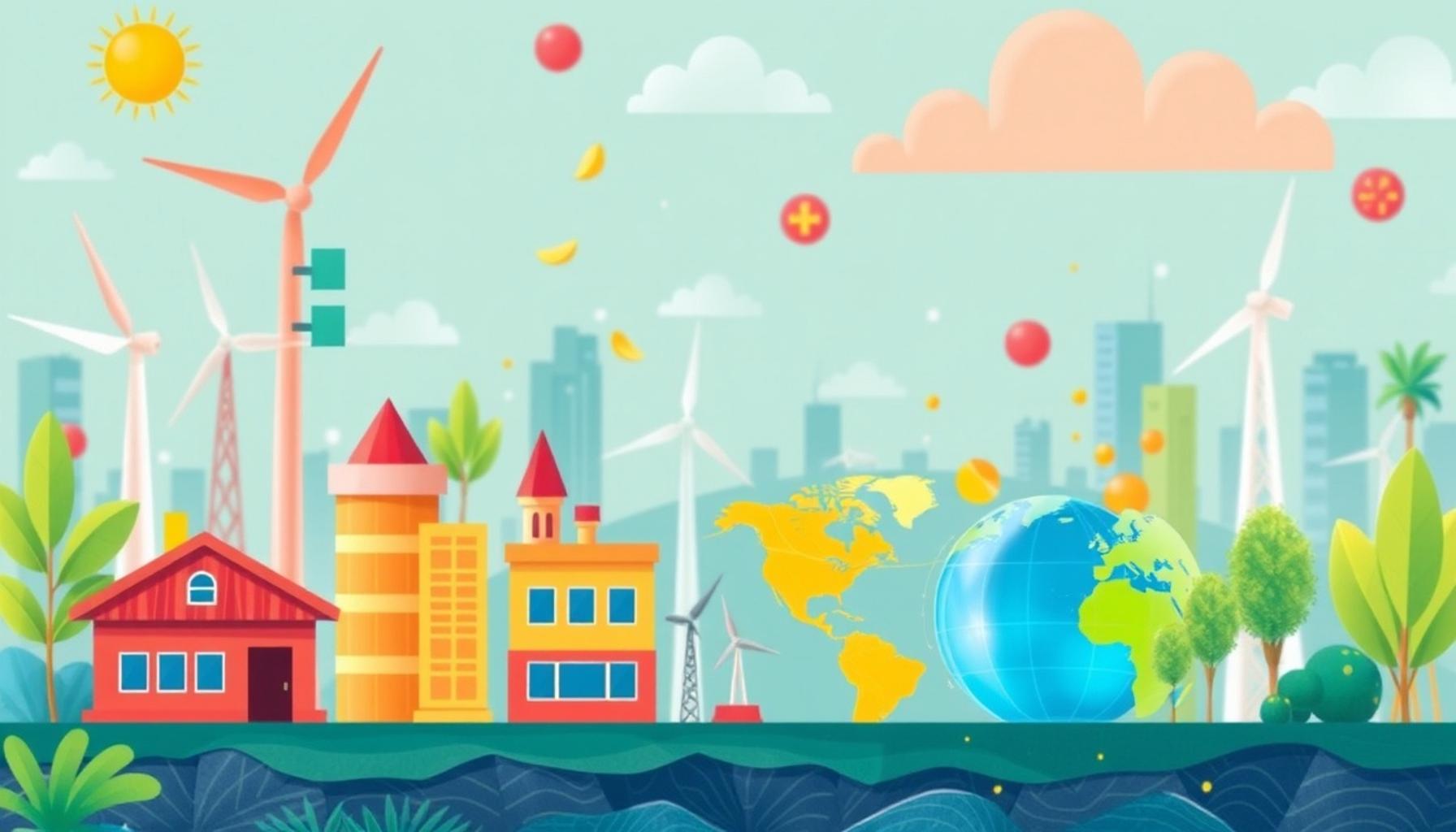
The Impact of Renewable Energies on Global Relations
The global transition to renewable energies is significantly altering the dynamics of international relations. Countries worldwide are increasingly focused on sustainability as a response to the pressing issue of climate change. This seismic shift in how energy is produced and consumed offers numerous prospects and hurdles for nations as they navigate this new terrain.
Energy Independence
One of the most significant results of this transformation is the pursuit of energy independence. As nations strive to decrease their reliance on imported fossil fuels, they enhance their energy security. For example, the United States is investing heavily in domestic renewable resources such as wind and solar power, which helps to reduce its vulnerability to geopolitical tensions that can arise from energy supply disruptions. With energy independence, countries can also focus on stabilizing their economies, lessening the impact of fluctuating global oil prices and fostering a greater resilience against external shocks.
Economic Growth and Job Creation
The renewable energy sector is proving to be a powerful engine for economic growth. The transition to cleaner energy sources comes with substantial investment opportunities, not just for large companies but also for local businesses. For instance, the installation of solar panels requires local labor, creating thousands of jobs across the nation. According to recent studies, the solar industry alone is projected to employ over 400,000 workers by the year 2030 in the United States. This job creation stimulates local economies, boosts spending, and contributes to the overall prosperity of communities.
Global Cooperation and Innovation
Moreover, the movement towards sustainable energy necessitates global cooperation. Countries are increasingly collaborating to share technology and best practices that expedite the adoption of renewable energy sources. Initiatives like the Paris Agreement exemplify how nations can come together to commit to reducing emissions and fostering sustainable development. Through international partnerships, countries can pool resources for research and development, expedite innovation, and ensure a more robust global response to climate change.
Cost-Effectiveness and Market Stability
Renewable energy technologies, such as solar, wind, and hydroelectric power, have become remarkably cost-effective in recent years. As production scales up and technology advances, prices are continuing to decrease. This cost decline leads to a more stable and equitable energy market that benefits consumers and encourages competition among energy providers. In the long term, this trend helps to combat energy poverty and global inequality as access to affordable, clean energy expands.
Understanding the Implications
Recognizing the multifaceted implications of this energy transition is crucial. Shifts in energy policy are influencing alliances, trade agreements, and geopolitical strategies worldwide. As nations rely less on fossil fuels sourced from politically unstable regions, new alliances are forming around resource-rich countries that control renewable sources like lithium for batteries or rare earth materials necessary for clean technology.
In summary, the evolution toward renewable energy is reshaping the landscape of international relations in profound ways, impacting everything from diplomacy to economic structures worldwide. By understanding these changes, we can better anticipate future developments and foster a collaborative approach to global energy challenges.
LEARN MORE: Click here for easy steps to secure your Oportun loan
Shifting Power Dynamics in Energy Sources
The global landscape of energy production is undergoing a radical transformation, reshaping traditional notions of power and influence among nations. The race to harness renewable energies such as solar, wind, and hydropower is creating a new paradigm where energy resources are not only essential for meeting domestic needs but also serve as a strategic asset in international relations.
The Rise of New Energy Leaders
As the demand for clean energy escalates, countries that invest in renewable infrastructure gain a competitive edge on the world stage. For instance, nations like China have emerged as leaders in renewable energy technology, becoming the largest manufacturers of solar panels and wind turbines. This dominance allows China to leverage its technological prowess in international negotiations, pushing for greater influence in global climate discussions and fostering bilateral partnerships with other nations seeking to transition to green energy solutions.
Resource Competition and Geopolitical Tensions
The transition to renewable energy also fosters resource competition. The need for materials essential to renewable technologies drives nations to secure access to critical resources such as lithium, cobalt, and rare earth elements. Countries rich in these resources are becoming increasingly important in the international arena. For example, the Democratic Republic of the Congo holds significant reserves of cobalt, a key component in electric vehicle batteries. This has sparked interest from major economies, leading to partnerships and investment agreements that can alter regional power dynamics.
Domestic Policy and International Relations
Additionally, as countries implement policies to encourage renewable energy adoption, their domestic strategies influence international relations. The United States, through initiatives such as the Inflation Reduction Act, aims to boost investments in clean energy technologies. This not only supports local job creation but also positions the U.S. as a serious contender in the global renewable market. Nations may now view renewable energy commitments as reflective of broader policies and values, affecting bilateral ties and trade agreements.
Challenges in the Transition
While the transition to renewable energy presents numerous opportunities, it is not without challenges. Several nations face significant hurdles, including:
- Infrastructure Limitations: Many countries lack the necessary infrastructure to support widespread renewable energy adoption, delaying progress.
- Economic Disparities: Developing countries often struggle to attract investment needed for renewable projects, risking a widening energy gap.
- Policy Inconsistency: Fluctuating political landscapes can result in inconsistent renewable energy policies, adversely affecting long-term investments.
Addressing these challenges requires a collaborative approach. International organizations and cooperative frameworks can foster resource sharing, technology transfer, and capacity building, essential for ensuring that all nations can participate in the energy revolution effectively.
In conclusion, the shift toward renewable energies is redefining power dynamics and resource allocation across the globe. By understanding and adapting to these changes, countries can shape a more sustainable and equitable international community while leveraging the benefits of this energy revolution.
DISCOVER MORE: Click here to enhance your travel rewards
Environmental Diplomacy and Global Cooperation
The transition to renewable energy is not just a quest for clean power; it represents a crucial component of environmental diplomacy that influences international relations. Nations are increasingly recognizing that collaborative efforts towards renewable energy development can lead to shared benefits, including reduced greenhouse gas emissions, improved public health, and enhanced energy security.
International Agreements and Climate Goals
Countries around the globe are finding common ground through international agreements such as the Paris Agreement. This landmark accord aims to curb climate change by limiting global warming to well below 2 degrees Celsius. Nations are now tasked with setting their own targets for renewable energy use, creating a framework for accountability and mutual support. For example, the European Union has set ambitious targets to become climate-neutral by 2050, encouraging member states and non-member countries to bolster their renewable energy strategies. This collective action reinforces a sense of unity in achieving a common goal, while also fostering diplomatic ties.
Technology Transfer and Global Partnerships
The renewable energy revolution also paves the way for technology transfer among nations, where advanced technologies and best practices can be shared more freely. For instance, the United States, known for its innovative renewable technologies, has established partnerships with developing countries to support clean energy projects. Programs such as the U.S.-Africa Clean Energy Initiative focus on deploying solar and wind technologies while promoting local manufacturing. Such collaborations not only enhance energy access but also facilitate capacity building in regions that may lack the resources to develop these technologies independently.
Renewable Energy and National Security
The link between renewable energy and national security cannot be overlooked. Countries with a reliance on imported fossil fuels are often vulnerable to supply disruptions and geopolitical tensions. By shifting to renewable sources, nations can enhance their energy independence and reduce their exposure to external pressures. For example, in Europe, the push for renewables has intensified in response to energy security concerns stemming from reliance on Russian gas supplies. This drive for independence prompts European nations to invest more heavily in domestic renewable resources, thereby reshaping alliances and trade relationships.
The Role of Private Sector and Investment Trends
The private sector plays a pivotal role in the renewable energy landscape. Increased investments from private companies in renewable projects have strengthened the position of these energies in the international arena. Large corporations are actively pursuing sustainability strategies, recognizing that investing in renewables not only benefits the environment but also creates long-term financial returns. For instance, American companies like NextEra Energy and Tesla are leading the way in deploying renewable projects both domestically and internationally, driving policy changes and influencing global markets.
Investment banks and venture capitalists are also shifting their focus toward renewable technologies, reshaping funding landscapes. Emerging financing models, such as green bonds and climate funds, are easing barriers to entry for developing nations, allowing them to access capital necessary for sustainable energy projects. This shift creates a more diversified global energy market, where innovation and entrepreneurship can thrive.
As renewable energies continue to gain ground, their integration into international relations will only deepen. Countries must navigate this rapidly evolving landscape, balancing environmental imperatives with geopolitical interests, in an era where energy is increasingly intertwined with global diplomacy and cooperation.
DIVE DEEPER: Click here to find out how technology is changing retirement planning
Conclusion
The revolution of renewable energies is not merely a response to the pressing need for sustainable alternatives; it is a powerful catalyst reshaping the contours of international relations. As countries commit to ambitious climate goals through frameworks like the Paris Agreement, we see a growing emphasis on collaboration and shared responsibility in addressing global challenges. This collective commitment fosters a sense of unity, empowering nations to work together towards innovative solutions that transcend borders.
Furthermore, the transfer of technology and knowledge-sharing initiatives create invaluable partnerships, bridging gaps between developed and developing countries. Such cooperation is essential to ensure equitable access to renewable technologies, ultimately driving global progress and energy security. The striving for energy independence in countries heavily reliant on fossil fuel imports illustrates how renewable energy not only enhances national security but also alters existing geopolitical alliances.
Additionally, the increasing involvement of the private sector emphasizes the economic viability and potential of renewables, making it increasingly relevant in diplomatic contexts. With innovative funding models facilitating access to capital for sustainable projects, the landscape of global investments is transforming, encouraging entrepreneurship and creativity. As the world moves forward, it is clear that renewable energy is not just a facet of energy policy; it is central to crafting a sustainable, interconnected future, underscoring the vital role that environmental considerations play in fostering diplomatic relations between nations.

Linda Carter
Linda Carter is a writer and expert known for producing clear, engaging, and easy-to-understand content. With solid experience guiding people in achieving their goals, she shares valuable insights and practical guidance. Her mission is to support readers in making informed choices and achieving significant progress.